How to Approach Compassionate Dog Training in Australia
Fundamentals of Compassionate Training
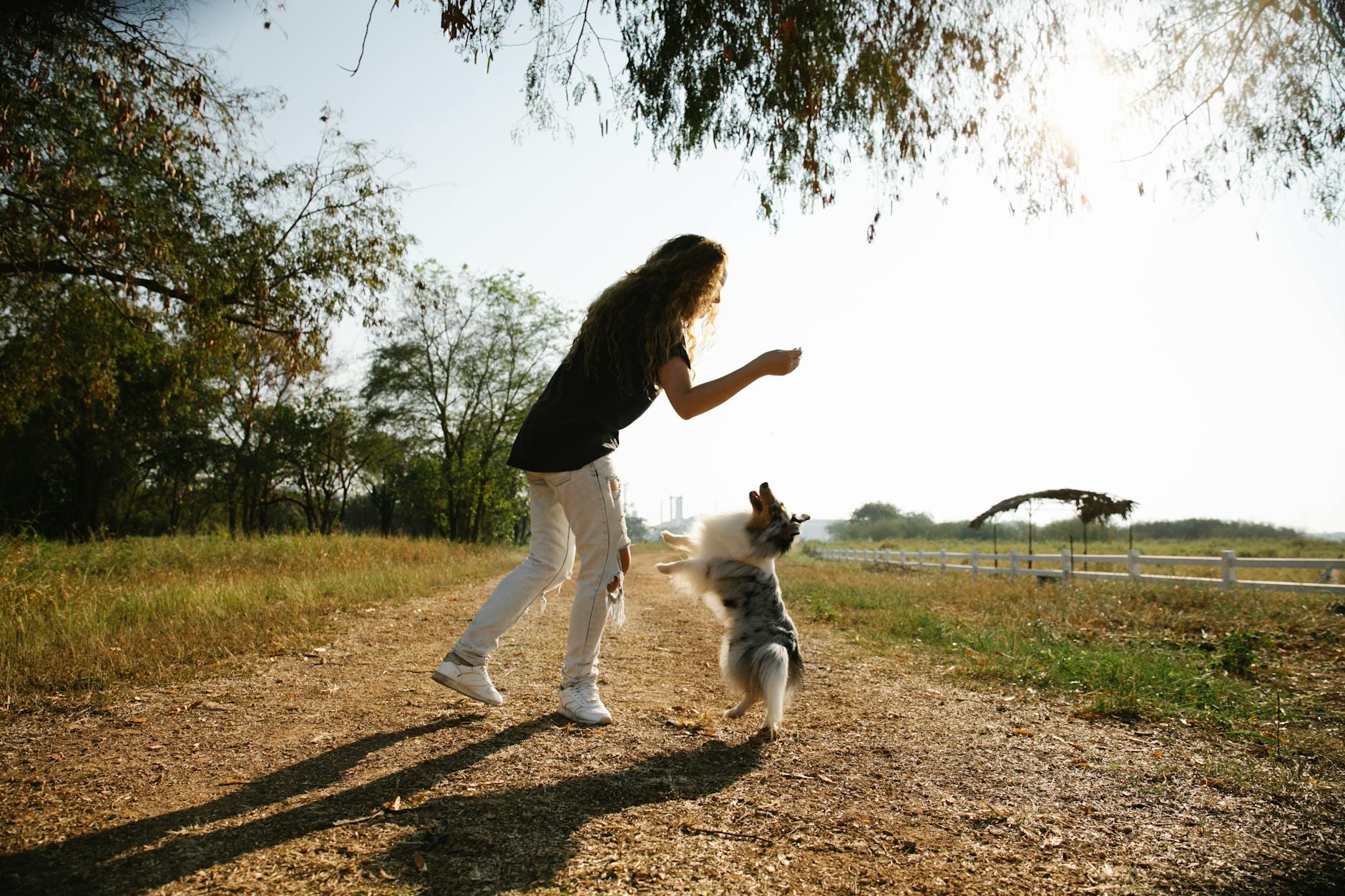
Embracing compassionate training techniques, especially in vibrant cities like Melbourne, fosters a rewarding bond between pets and their owners. At the Royal Botanic Gardens Zoo, you may have observed animals responding positively to encouragement, mirroring the effectiveness of positive reinforcement in domestic settings. This approach fundamentally shifts the focus from punitive measures to rewarding desired behaviors, ensuring dogs thrive in a nurturing environment.
Core Principles
Central to compassionate training is the commitment to understanding and respecting each animal's unique needs. This involves acknowledging their emotional and physiological cues while addressing behavioral challenges with empathy. It's crucial to combine scientific insights with practical experience, ensuring methods like bark collars are applied safely and effectively.
Positive Reinforcement Techniques
Positive reinforcement is not just about rewarding good behavior with treats; it's a holistic approach that involves praise, play, and affection to encourage desirable actions. A dog is more likely to repeat a behavior if it associates it with positive outcomes. This method, widely endorsed by veterinarians and behaviorists, reduces stress and enhances learning capacity.
Benefits for Dogs and Owners
The benefits of compassionate training extend beyond well-behaved pets. It creates a harmonious home environment, fostering a sense of security and trust. Owners, in turn, experience reduced anxiety, witnessing their pets' joyful and well-adjusted demeanor. As one navigates the complexities of behavior management, tools like a shock collar can be reframed as aids rather than adversaries when used with expert guidance.
Addressing Training Misconceptions
Understanding Misunderstood Tools
In the realm of pet training, certain tools, like the anti barking collar and electric dog fence, often face misconceptions that stem from misunderstandings about their purpose and functionality. As someone who has dedicated their career to understanding the nuances of animal behavior, I recognize the importance of demystifying these tools to bridge the gap between pet owners and effective training methods. At Fitzroy Veterinary Hospital, where compassionate care is our foundation, educating pet owners responsibly is a priority.
Pet owners sometimes perceive these tools as inherently harmful. However, when used appropriately, they can be highly beneficial. Let's take a look at a few points to consider regarding these tools:
-
Functionality: Electric dog fences provide an invisible boundary that can safely keep your pet within a designated area without the need for physical barriers.
-
Safety: Modern anti-barking collars are designed with safeguards to prevent overcorrection, ensuring minimal discomfort while discouraging excessive barking.
-
Training Aid: These devices should complement, not replace, traditional training. They are most effective with a foundation in positive reinforcement techniques.
It's essential to approach these tools with an open mind, reinforced by proper education to ensure they're used safely and humanely. By addressing these misconceptions, we can help pet owners create a supportive environment for their furry companions, ensuring their training methods align with the best practices in animal welfare.
Implementing Behavior Correction Tools
Safe Use of Bark Collars
I'm often faced with the challenge of advising pet owners on the humane use of behavior correction tools. Bark collars, for example, can be a contentious subject. A citronella collar might be more suitable for some dogs as it emits a mild scent burst rather than a physical stimulus, aligning with compassionate training practices. This type of collar is particularly beneficial for scenarios where excessive barking needs controlling without causing distress to the animal. Much like how the Melbourne Veterinary School advocates for solutions that prioritize animal welfare, my approach also focuses on tools that respect a pet’s well-being.
Effective Use of Electric Fences
Electric fences can be instrumental in managing a pet’s outdoor activities. However, it’s crucial to ensure the setup is safe and doesn't induce fear. These fences should act more as boundary reminders rather than fear-inducing barriers. When introducing them, a gradual familiarization process helps dogs understand the limits while reducing stress. Always ensure the voltage settings comply with guidelines prioritizing safety and comfort.
Monitoring and Adjusting Techniques
Continuous monitoring and adjustment are key to using any behavior correction tool effectively. Regularly reviewing how a dog reacts to tools like shock collars for a dog will ensure that they remain a helpful training aid and not a source of anxiety. Consistent review and adaptation of these methods will strengthen the bond between you and your pet, encouraging a more harmonious relationship akin to the trusted practices followed at the Fitzroy Veterinary Hospital. Periodically assess the tool’s impact and be open to alternative options to align with compassionate animal care.
Enhancing Pet and Owner Communication
Building Trust with Pets
Cultivating a relationship with your dog begins with establishing trust. This mutual confidence is crucial for effective training. By creating a serene environment and respecting your dog's space, you help them feel secure. Spend time engaging in low-pressure activities like walking through the serene paths of the Royal Botanic Gardens in Melbourne. This routine fosters a deep bond, making your dog more receptive to training efforts such as anti bark collars. Always approach training with empathy and patience.
Reading Canine Body Language
Interpreting your dog's body language is integral to understanding their emotions and needs. Subtle cues like tail wagging, ear position, and posture provide insights into their current state. For instance, a relaxed body and wagging tail indicate contentment, whereas tucked tails and lowered ears may signal apprehension. By recognizing these signs, you can adjust your approach, ensuring positive interactions. This skill not only enhances training but also enriches your shared experiences, reducing stress and misunderstandings.
Establishing Consistent Commands
Consistency is vital when communicating with your dog. Use clear, concise commands and maintain a steady tone. Tie commands to specific actions and rewards, ensuring they are easy to distinguish. Consistency in language and consequence reinforces learning, making behaviors more predictable. Incorporating gps dog tracking can support this process by helping you assess outdoor activities and track distance, ensuring your pet stays safe. To ensure your method is effective, review these techniques regularly and seek guidance if needed.
Overcoming Common Dog Training Challenges
Owner Emotional Biases
Throughout my years as a clinic owner in Melbourne, I've witnessed how emotional biases can shape our approach to dog training. It's essential to recognize that our feelings can sometimes cloud our judgment, affecting how we address our dogs' needs. As pet owners, we must remain open to learning and adapting our methods, especially when consulting resources like the Melbourne Veterinary School at The University of Melbourne. By understanding our emotions, we enhance our ability to communicate effectively with our beloved pets.
Resistance to Training Tools
Many pet owners hesitate to use certain training tools due to fear or misconception. However, when used correctly and compassionately, tools like bark collars and electric fences can be effective aids. It's about ensuring they are implemented with the best interests of the dog in mind. Visiting a trusted local establishment like the Fitzroy Veterinary Hospital can offer guidance on how to safely and humanely use electric dog fences. Education and proper training can help alleviate concerns and build confidence in these tools.
Diverse Dog Personalities
In a bustling city like Melbourne, with diverse canine visitors to places like the Royal Botanic Gardens Zoo, it's clear that each dog has its unique temperament and training needs. Understanding that each dog is different allows us to tailor our training approaches. Flexible, compassionate approaches ensure that no dog is left behind, regardless of personality. Whether it’s a lively puppy or a reserved senior dog, patience and understanding can make all the difference.