How to Ensure Humane Use of Training Tools for Dogs in Australia

Understanding Dog Training Tools
As a conscientious pet owner in Melbourne, it's essential to properly understand the various dog training tools available to ensure humane and effective assistance for your furry friends. Training tools can significantly benefit both you and your dog, enhancing behaviour without compromising their welfare. While strolling through the Royal Botanic Gardens, you might reflect on how these tools can make your walks more pleasant and controlled.
Types of Training Tools
Among the range of available training tools are electric dog fence systems and anti bark collars. These options cater to different training needs, ensuring you can find the right tool that aligns with your dog's behaviour and your ethical standards. An electric dog fence is ideal for maintaining a safe outdoor area, allowing your dog to enjoy the freedom of roaming your property without constant worry. For those with particularly vocal dogs, anti bark collars can provide gentle reminders to curb excessive barking.
Choosing the Right Tool
Selecting the appropriate tool involves recognizing your specific goals and understanding your dog's unique behaviours. Consider the temperament and activity level of your dog. A visit to the Melbourne Veterinary School at The University of Melbourne might offer helpful insights into advanced pet care choices, offering a robust wealth of knowledge for discerning which tool aligns best with your furry companion's needs.
Safety Considerations
Ensuring safety is paramount when implementing training tools. Review detailed user guides, check online reviews, and consult expert recommendations to make informed decisions. Safety features such as adjustable settings and automatic shut-offs in modern devices can ease your concerns about potential misuse, keeping your dog's welfare front and center.
Implementing Humane Practices
Positive Reinforcement Techniques
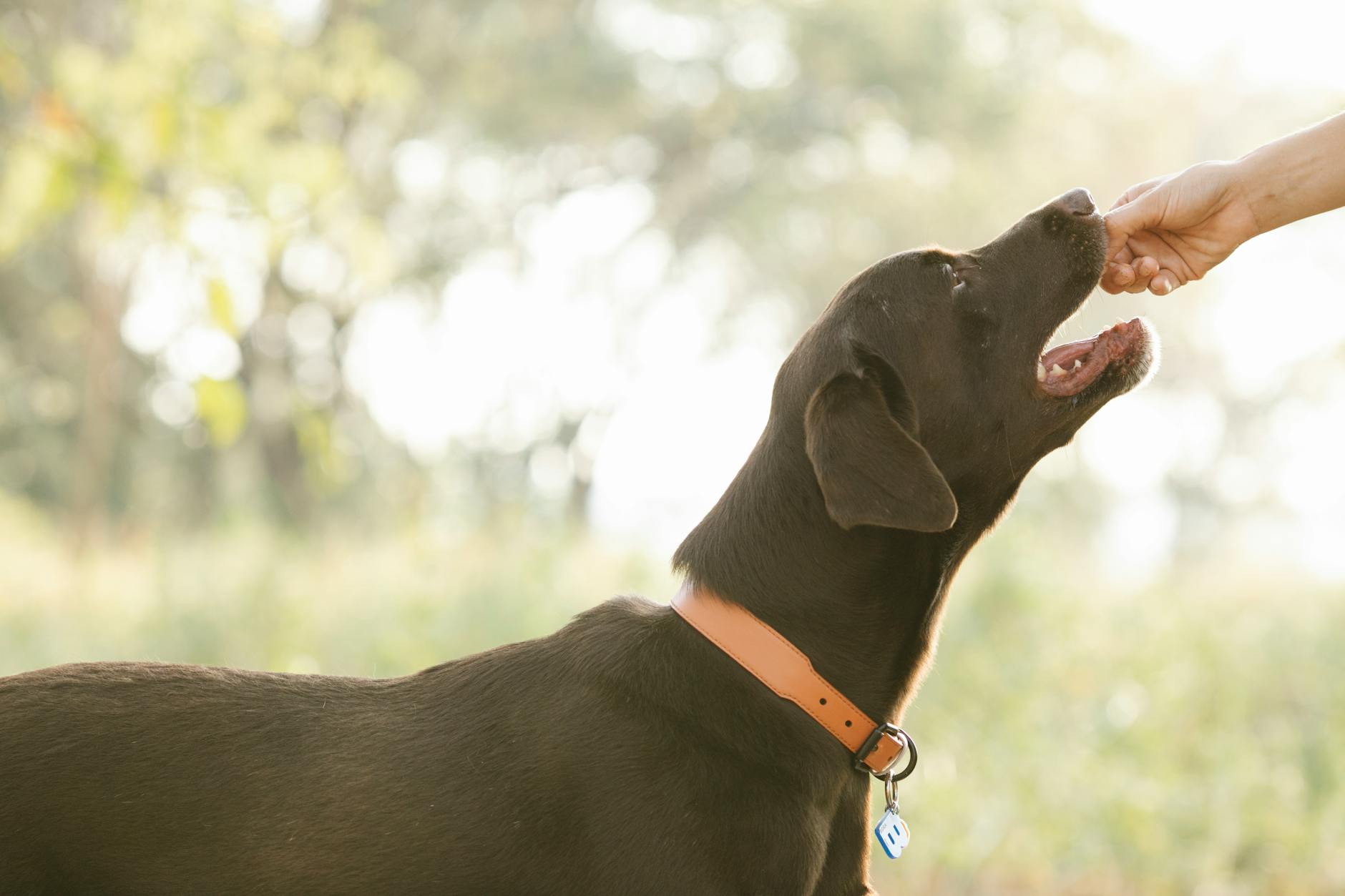
As a compassionate pet owner in Melbourne, focusing on positive reinforcement techniques is crucial for maintaining a healthy bond with your dog. While it's tempting to rely on devices such as bark collars, integrating rewards-based strategies can foster a more encouraging environment. For example, when your dog responds well to a command, immediately rewarding them with treats or affection reinforces the desired behavior. Implementing these techniques not only helps avoid the stress associated with aversive methods but also promotes long-term behavioural change.
Gradual Introductory Steps
Introducing new training tools takes patience, especially for dogs adjusting to devices like gps dog tracking systems. Begin with slow, supervised exposure to the tool. Initially, allow your dog to explore the device without turning it on. Over subsequent days, gradually introduce it during short, positive sessions. This gradual acclimation ensures your dog becomes comfortable and reduces any anxiety they may experience. As you watch your canine companion navigate around Fitzroy Veterinary Hospital with their new GPS tracker, you'll notice their confidence grow with each outing.
Monitoring and Adjustments
Monitoring your dog's response to new training tools is pivotal. Keep an eye out for any signs of stress or discomfort and be prepared to make swift adjustments. It's vital to ensure the equipment is neither too loose nor too tight, as improper fittings could lead to irritation or pain. Regular check-ins can mitigate potential issues, allowing for a more harmonious integration of technology into your dog's life. By tailoring these strategies to your pet's individual needs, you'll ensure a rewarding experience for both of you.
Training Tools and Technology
GPS Tracking Systems
As a pet owner, keeping track of your dog’s movements is crucial for their safety, especially in bustling areas or vast outdoor spaces. GPS tracking systems offer a useful solution, providing real-time location data that can be vital if your dog strays too far. With advancements akin to those driving technologies in electrical fields, these systems are user-friendly and designed for seamless integration into your daily routine. They serve as a digital leash, giving you peace of mind, whether you're gardening or tinkering in the garage.
Electric Dog Fences
Electric dog fences present a practical approach to setting boundaries in a large backyard. These systems create an invisible perimeter, aiding in keeping dogs like Charlie within a designated safe zone without obstructing your landscape. They consist of a central unit and a collar that emits a warning beep followed by a mild electronic pulse when breached. It's important to start with a low setting and gradually adjust, ensuring your dog’s comfort and safety. Considerations are similar to selecting precise settings on technical equipment, and care should be taken to calibrate accurately and check systems regularly.
Monitoring Tech for Safety
Today, monitoring tech extends to devices like the shock collar and citronella collar, though they should be used cautiously to ensure Charlie’s welfare. These tools can emit deterrent stimuli to address specific behaviors but should only be part of a broader training program that prioritizes positive reinforcement. With thoughtful planning and patience, leveraging technology for dog training can enrich your pet’s life and strengthen your bond, all while referencing the ethos of compassion you might find at local institutions like Fitzroy Veterinary Hospital.
Challenges in Dog Training
Common Obstacles
Working with dogs can sometimes present a series of challenges, and understanding these can make a world of difference for both pet and owner. One common obstacle is excessive barking, which can be particularly troublesome if it disturbs neighbours or becomes a source of stress within your household. Thankfully, there are several solutions available, such as an anti barking collar, which can serve as a helpful tool when used humanely and effectively.
Overcoming Resistance
Dogs, much like humans, may resist certain training methods or tools. It's crucial to approach such situations with patience and empathy. Start by understanding the root cause of the resistance; it could be discomfort, fear, or simply a lack of understanding. In some cases, tools like shock collars for a dog are considered by some, but remember they should be explored with caution and used under professional guidance. Instead, positive reinforcement often yields better, long-term results by creating a foundation of trust and cooperation.
Adjusting to Individual Needs
Each dog has its own unique personality, and what works for one might not work for another. Tailoring your training approach to your dog's specific needs can lead to faster and more effective results. For instance, a high-energy dog like a Border Collie might need more physical activity alongside any training tools, while a more reserved breed might require a softer approach. Adjust your methods and be willing to try different techniques until you find what resonates best with your furry friend. In doing so, you'll not only address the training challenges but strengthen the bond you share with them.
Ensuring Ethical Training Standards
Consistency and Compassion in Training
Consistency, much like the familiar rhythms and routines we appreciate in our daily lives, is vital in any dog training regime. Just as a visit to the serene Royal Botanic Gardens can become a cherished habit, so too can predictable training sessions provide comfort and confidence for our four-legged friends. Establishing a routine that is reassuringly consistent – without being rigid – allows our furry companions to learn and adapt at their own pace. When paired with compassion and understanding, this creates an enriching environment that fosters trust.
Staying Informed on Latest Techniques
Staying informed about the latest advancements in training tools and methodologies is crucial. Leveraging resources such as the esteemed Melbourne Veterinary School at The University of Melbourne can empower us with the latest insights and research. Attending workshops or networking with experts at venues like the Fitzroy Veterinary Hospital strengthens our knowledge and allows us to exchange innovative techniques. This continual learning ensures we implement effective training strategies while upholding ethical standards.
Consult with Experts
In our endeavours to adopt humane training practices, consulting with professionals can provide invaluable guidance. Whether it’s booking a session with a local behaviourist who leverages underground electric dog fence technology ethically, or participating in seminars that discuss the transformative power of pet trainging collars, expert guidance becomes a beacon of assurance for pet owners. Our Melbourne community of compassionate professionals is always ready to offer tailored advice to meet your pet's specific needs. By fostering connections with these experts, we contribute to a supportive network dedicated to animal welfare.